
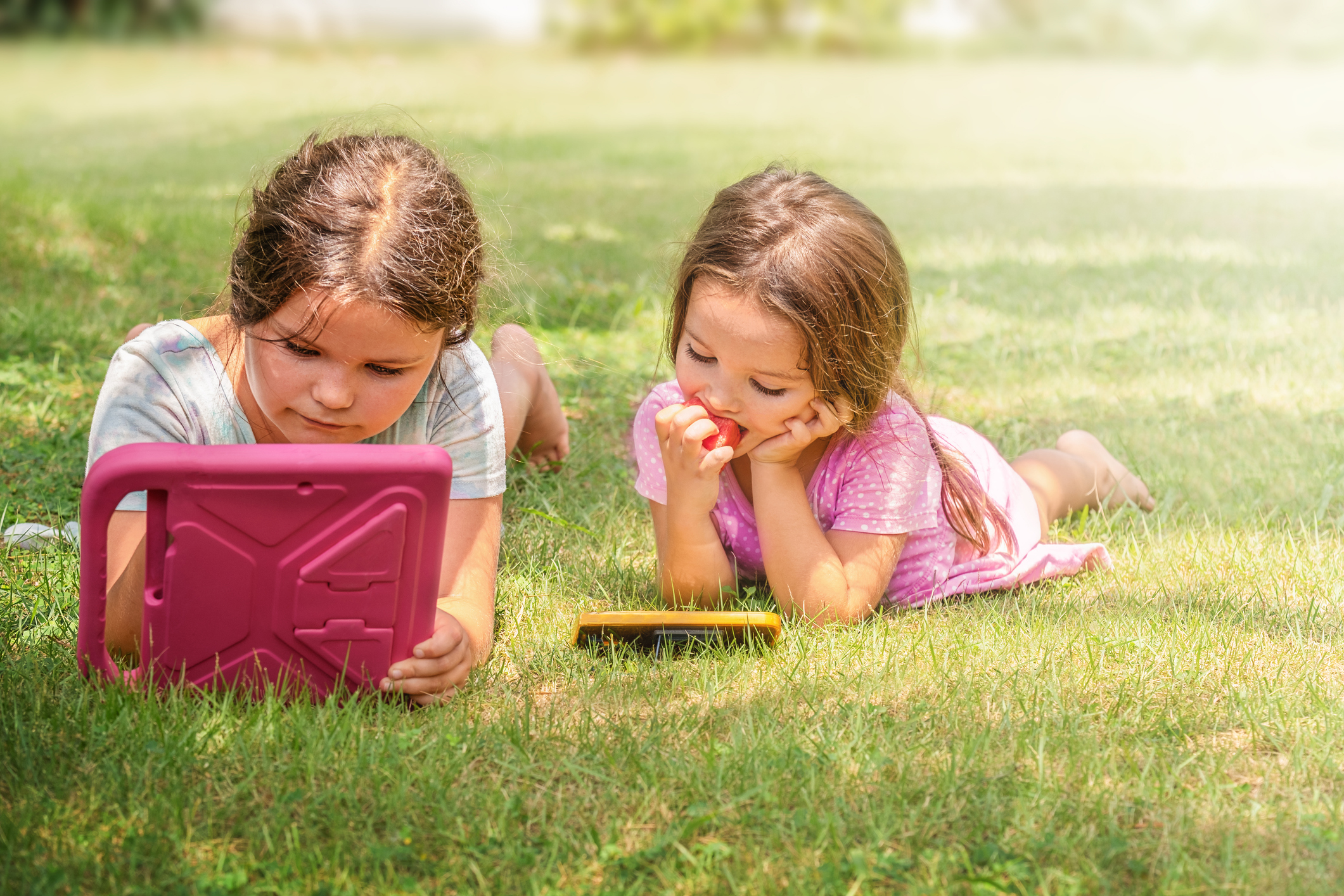
Balancing Screen Time and Active Play for Better Learning
Balancing screen time and active play for better learning is one of the biggest challenges for parents today. With digital devices everywhere, finding a healthy balance between screen use and physical play is essential for a child’s growth and development.
At First Congregational Preschool – Meriden, CT, we believe children learn best through movement, exploration, and interaction. When technology and play work together, learning becomes both fun and effective.
Why Balancing Screen Time and Active Play Matters
Young children are naturally curious. They learn by touching, exploring, and moving. While quality educational apps can teach letters, shapes, or songs, too much screen time can reduce creativity and social play.
According to the American Academy of Pediatrics, children aged 2–5 should have no more than one hour of high-quality screen time per day. It’s best when an adult is present to guide them through what they’re watching or doing.
Balanced routines that include both screen time and active play help build strong muscles, focus, and emotional regulation.
How Screen Time Can Support Learning
Used wisely, screen time can actually support early learning. Educational programs and interactive games can teach language, math, and problem-solving. Story apps can spark imagination and improve listening skills.
At First Congregational Preschool, we occasionally include short, supervised digital activities — such as music videos or virtual story sessions to enhance classroom lessons. However, these are always paired with hands-on, physical experiences to keep children active and engaged.
Tips for Balancing Screen Time and Active Play
Finding balance doesn’t mean eliminating technology. It means using it thoughtfully. Here are some tips parents can use at home:
- Set clear limits. Create a daily schedule that includes time for screens and time for active play.
- Encourage outdoor activity. Fresh air helps children release energy and explore their environment.
- Be a role model. Let your child see you reading, walking, or spending time without a device.
- Create tech-free zones. Keep screens away from the dinner table and bedrooms.
After a short screen session, encourage your child to act out what they learned or draw something inspired by the content. This bridges the gap between digital and real-world learning.
How Preschools Help Build Balance
At First Congregational Preschool, we follow a play-based learning approach that prioritizes movement and creativity. Children enjoy outdoor play, art projects, and group activities that build confidence and teamwork.
Our programs are aligned with the Connecticut Early Learning and Development Standards ensuring that every lesson promotes physical, social, and emotional growth. We also work closely with parents to encourage balanced routines at home. Reinforcing what children learn at school.
Visit our curriculum page to explore how we help children learn through active play. Also read our article on the benefits of outdoor play for children.
Lifelong Benefits of Balance
Balancing screen time and active play for better learning is more than a preschool goal – it’s a life skill. When children grow up with balanced habits, they are more focused, creative, and ready to learn in any environment.
By setting healthy limits, modeling positive behavior, and encouraging play, parents and teachers can help every child reach their full potential.
Learn more about our approach to early education by visiting our website today
Leave a Reply