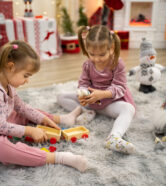

Fun indoor activities for preschoolers can turn cold Connecticut winter days into exciting opportunities for learning, creativity, and family bonding. When snowstorms, freezing temperatures, and icy conditions keep children indoors, parents often struggle to find ways to keep their little ones entertained and active.
Fortunately, keeping preschoolers engaged doesn’t require expensive toys or complicated projects. Simple activities using everyday household items can help children develop important skills while having fun.
Whether you’re spending a snowy weekend at home or looking for activities after preschool, these ten ideas will help make Connecticut’s winter months more enjoyable.
Why Indoor Play Is Important for Preschoolers
Preschoolers learn best through hands-on experiences, exploration, and play. However, during Connecticut winters, children may have fewer opportunities to run, climb, and explore outdoors.
As a result, indoor play becomes especially important for supporting physical, social, emotional, and cognitive development.
For example, building with blocks encourages problem-solving, while drawing and painting strengthen fine motor skills. Similarly, dancing and movement games help children develop coordination and balance.
The National Association for the Education of Young Children (NAEYC) emphasizes the importance of play in supporting children’s learning and development.
Most importantly, these activities allow children to explore their interests, develop confidence, and learn naturally.
1. Creative Arts and Crafts for Snowy Days
Arts and crafts are among the easiest fun indoor activities for preschoolers. They encourage creativity, strengthen small hand muscles, and allow children to express themselves.
Try these simple winter-themed projects:
- Paper snowflakes: Fold paper and help children cut out shapes to create unique snowflake designs.
- Cotton ball snowmen: Use cotton balls, construction paper, and glue to create winter scenes.
- Winter finger painting: Let children paint snow-covered trees, snowflakes, or their favorite winter animals.
- Homemade greeting cards: Encourage children to create cards for grandparents, friends, or neighbors.
Rather than focusing on creating a perfect finished product, encourage children to experiment with colors, shapes, and textures.
At First Congregational Preschool, creative expression is an important part of helping young children explore their interests and develop confidence.
2. Fun Indoor Activities for Preschoolers That Encourage Movement
Even when the weather is too cold for outdoor play, preschoolers still need opportunities to move their bodies.
Fortunately, your living room can become an exciting space for physical activity.
Create an Indoor Obstacle Course
Use pillows, cushions, painter’s tape, and sturdy household items to create a simple obstacle course.
Children can crawl through cardboard tunnels, step over soft obstacles, and follow taped lines on the floor.
These activities help develop balance, coordination, and body awareness.
Have a Dance Party
Play your child’s favorite songs and encourage them to dance, jump, clap, and move to the rhythm.
You can also play freeze dance. When the music stops, everyone must freeze until it starts again.
Movement and music are valuable parts of early childhood learning. In fact, activities such as creative dance encourage children to develop coordination, creativity, and confidence through movement.
Try Animal Movement Games
Ask your child to hop like a bunny, waddle like a penguin, or stretch like a cat.
These playful exercises encourage imagination while keeping children physically active.
For safety, clear away sharp objects, secure rugs, and provide adult supervision during active games.
3. Build a Cozy Reading Corner
Winter provides a wonderful opportunity to develop a love of reading.
Create a comfortable reading corner with pillows, blankets, and a small collection of age-appropriate books. Then, invite your preschooler to choose a story.
To make reading more interactive, ask questions such as:
- What do you think will happen next?
- How do you think the character feels?
- Can you find something blue on this page?
- What was your favorite part of the story?
These conversations strengthen vocabulary, listening skills, comprehension, and imagination.
Additionally, reading together helps build strong relationships between parents and children.
Even spending 15 minutes a day reading with your preschooler can establish a positive routine that encourages a lifelong interest in books.
4. Easy Science Experiments Using Household Items
Young children are naturally curious about how the world works. Therefore, simple science experiments can turn an ordinary winter afternoon into an exciting learning experience.
Explore Melting Ice
Place several ice cubes in separate bowls. Add a little warm water to one bowl and leave another at room temperature.
Ask your child which ice cubes they think will melt first.
Then, observe what happens together.
This simple experiment introduces early scientific concepts such as temperature, prediction, and observation.
Make a Sink-or-Float Station
Fill a shallow container with water and gather several waterproof household objects.
Before placing each item in the water, ask your child whether they think it will sink or float.
Afterward, discuss the results.
Grow Seeds Indoors
Place a few bean seeds in a clear container with a damp paper towel.
Over the following days, encourage your child to observe how the seeds change.
This activity introduces basic plant science while teaching patience and responsibility.
Always supervise water activities and use child-safe materials.
5. Fun Indoor Activities for Preschoolers Using Building Blocks
Building blocks are excellent learning tools because they encourage children to think creatively and solve problems.
Challenge your preschooler to build a tall tower, a bridge for toy cars, or a house for stuffed animals.
As they build, ask questions such as:
- How can we make the tower stronger?
- Which block should go at the bottom?
- What happens if we add another block?
- Can you build something taller?
Through these activities, children explore shapes, sizes, balance, and spatial relationships.
Furthermore, building together encourages communication, cooperation, and patience.
These experiences also reflect the value of a play-based preschool curriculum, where children learn through exploration, discovery, and meaningful activities.
6. Turn Household Tasks Into Fun Indoor Activities
Some of the best indoor learning activities don’t require special supplies.
In fact, everyday household tasks can provide valuable opportunities to practice early math, language, and problem-solving skills.
For example:
- Sorting laundry: Ask children to match socks or group clothing by color.
- Counting snacks: Count crackers, fruit pieces, or other snacks before eating.
- Setting the table: Practice counting plates, cups, and napkins.
- Organizing toys: Sort toys by size, shape, or type.
- Pretend grocery shopping: Use play food or empty containers to practice counting and communication.
These simple experiences help children understand how learning connects to everyday life.
They also encourage independence and a sense of accomplishment.
7. Encourage Imaginative and Pretend Play
Pretend play allows preschoolers to explore different roles, express emotions, and develop social skills.
During Connecticut’s colder months, encourage your child to create imaginative play experiences indoors.
For instance, transform a corner of the room into a pretend grocery store, restaurant, doctor’s office, or classroom.
Children can use stuffed animals, toy dishes, empty food containers, and dress-up clothing to bring their ideas to life.
Parents can participate by asking questions and following the child’s lead.
In addition to encouraging creativity, pretend play helps children practice language, cooperation, and problem-solving.
8. Create an Indoor Sensory Play Station
Sensory play encourages children to explore different textures, shapes, and materials through hands-on experiences.
A simple sensory station can include play dough, large building pieces, fabric scraps, or other age-appropriate materials.
For a winter theme, try creating pretend snow using white paper strips or soft fabric pieces.
Children can scoop, sort, and arrange materials while developing fine motor coordination.
You can also introduce descriptive words such as soft, smooth, rough, cold, and fluffy to encourage language development.
However, choose materials carefully, avoid choking hazards, and supervise all activities.
9. Fun Indoor Activities for Preschoolers That Teach Early Math
Preschoolers can begin developing early math skills long before entering kindergarten.
The key is to make counting, sorting, and recognizing patterns enjoyable.
Try these simple games:
- Number hunt: Hide large number cards around the room and ask your child to find them.
- Shape search: Look for circles, squares, and triangles in everyday objects.
- Pattern making: Arrange colored blocks in repeating patterns.
- Counting steps: Count together while walking from one room to another.
- Size sorting: Arrange toys from smallest to largest.
By turning math into a game, parents can help children build confidence without making learning feel like formal schoolwork.
Additionally, these activities support important early learning skills that children continue developing in preschool.
10. Enjoy Family Cooking and Baking Activities
Cooking together can be a fun and educational way to spend a cold winter afternoon.
Preschoolers can help with simple tasks such as stirring ingredients, washing fruit, pouring premeasured ingredients, or arranging toppings.
While preparing food, encourage your child to count ingredients, identify colors, and compare quantities.
For example, ask, “Do we need one apple or two?” or “Which bowl has more?”
These activities introduce early math concepts while strengthening listening skills and the ability to follow directions.
Remember to keep children away from hot surfaces, sharp utensils, and other kitchen hazards.
How to Balance Indoor Play and Screen Time During Connecticut Winters
When children spend more time indoors, it can be tempting to rely heavily on television, tablets, and other electronic devices.
However, young children benefit from a healthy balance of active play, creative activities, reading, rest, and family interaction.
The American Academy of Pediatrics offers helpful indoor play ideas that encourage families to connect while supporting children’s development.
Instead of trying to fill every minute with structured activities, allow time for independent play.
Sometimes, a cardboard box, a few blocks, or a collection of picture books can keep a child engaged longer than an electronic device.
Additionally, remember that outdoor play can still be beneficial during winter when weather conditions are safe and children are dressed appropriately.
Making Winter Learning Fun at First Congregational Preschool
At First Congregational Preschool in Meriden, Connecticut, we believe children learn best through play, exploration, creativity, and meaningful interactions.
Our play-based approach encourages children to develop essential skills while building confidence, independence, and positive relationships.
Throughout the year, children participate in age-appropriate learning experiences that support their social, emotional, physical, and cognitive development.
For families in Meriden and surrounding Connecticut communities, our preschool provides a nurturing environment where children can learn, grow, and prepare for future educational success.
Parents can also explore our preschool blog for additional parenting tips, early childhood learning ideas, and activities to support their children’s development at home.
Give Your Child a Great Start at First Congregational Preschool
Winter may bring shorter days and colder temperatures, but it also offers countless opportunities for children to discover, create, and learn.
By introducing fun indoor activities for preschoolers into your family’s routine, you can support your child’s development while creating lasting memories.
Looking for a preschool in Meriden, Connecticut, that makes learning enjoyable all year long? Visit First Congregational Preschool to learn more about our programmes and enrollment opportunities.