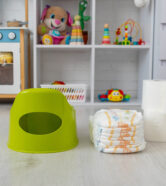

Potty trained before starting preschool is a concern many parents have as their little ones prepare for this exciting milestone. You may wonder whether your child must use the bathroom independently before joining a preschool program. Perhaps your child is making progress but still has occasional accidents. Fortunately, potty training is a developmental process, and every child learns at a different pace.
At First Congregational Preschool in Meriden, Connecticut, we recognize that children develop skills at different times. Understanding potty training readiness can help parents prepare for preschool with greater confidence and less pressure.
Does My Child Have to Be Potty Trained Before Starting Preschool?
The answer depends on the preschool’s enrollment requirements and the child’s age.
Some preschool programs expect children to be fully toilet trained before enrollment. Others may offer greater flexibility, particularly for younger children or those who need additional developmental support.
Therefore, parents should ask about bathroom independence when researching preschool programs. Important questions include:
- Does the preschool require children to be fully potty trained?
- Are occasional bathroom accidents acceptable?
- Can teachers assist children with clothing or bathroom routines?
- What happens if a child has an accident during the school day?
- Are there different requirements for different age groups?
Most importantly, parents should understand the school’s expectations before enrollment.
If you are considering First Congregational Preschool in Meriden, CT, we encourage you to contact our preschool to discuss current enrollment requirements and your child’s individual needs.
How Do I Know If My Child Is Ready to Be Potty Trained Before Starting Preschool?
Potty training readiness involves more than reaching a certain birthday. Children must develop physical control, communication skills, and an understanding of bathroom routines.
According to the American Academy of Pediatrics, children often begin showing signs of bladder and bowel control between 18 and 24 months. However, many children begin toilet training between ages two and three.
Common Signs of Potty Training Readiness
Your child may be ready to begin potty training if they:
- Stay dry for approximately two hours or longer.
- Show discomfort when wearing a wet or soiled diaper.
- Tell you when they need to use the bathroom.
- Show interest in using a potty chair or toilet.
- Follow simple instructions.
- Walk to the bathroom and help pull clothing up or down.
- Demonstrate an interest in greater independence.
However, your child does not need to demonstrate every sign at once. Instead, look for a pattern of growing awareness and willingness to participate.
Additionally, remember that potty training involves emotional readiness. A child who feels anxious or pressured may resist the process, even when physically capable.
Why Being Potty Trained Before Starting Preschool Can Be Helpful
Learning to use the bathroom independently can make the transition to preschool easier.
First, children who recognize bathroom signals can communicate their needs more confidently. As a result, they may feel more comfortable participating in classroom activities.
Second, bathroom independence encourages important self-care skills. These include managing clothing, washing hands, and following familiar routines.
Finally, children often feel proud when they accomplish tasks independently. This sense of achievement can strengthen their confidence in other areas of learning.
Nevertheless, potty training is only one part of preschool readiness. Social interaction, emotional development, communication, and curiosity are equally important.
At First Congregational Preschool, our play-based approach recognizes the importance of developing independence at a pace appropriate for each child.
Learn more about our preschool curriculum and how children develop essential early learning skills.
What If My Child Is Not Fully Potty Trained Before Starting Preschool?
If your child has not mastered potty training, there is no reason to panic.
Many children experience setbacks or need additional time to develop consistent bathroom habits. Furthermore, a child who successfully uses the toilet at home may feel uncertain in an unfamiliar preschool bathroom.
For example, a new environment, different toilet, or busy classroom routine may temporarily affect a child’s confidence.
Are Potty Training Accidents Normal?
Yes. Occasional accidents can happen even after a child appears fully potty trained.
The American Academy of Pediatrics explains that daytime accidents may continue for several months as children develop consistent bathroom habits.
Consequently, parents should avoid embarrassment, punishment, or criticism when accidents occur. Instead, offer reassurance and encourage the child to try again.
If accidents become frequent, painful, or persistent, consult your child’s pediatrician to rule out underlying concerns.
For additional guidance, read the American Academy of Pediatrics’ information about potty training accidents.
7 Practical Potty Training Tips Before Preschool Starts
Parents can take several simple steps to help children become more comfortable using the bathroom.
1. Establish a Consistent Bathroom Routine
Encourage your child to try using the toilet at predictable times. For example, offer bathroom opportunities after waking, before leaving home, and before bedtime.
Consistency helps children become familiar with the process.
2. Choose Easy-to-Manage Clothing
Select pants with elastic waistbands rather than complicated buttons or belts.
This simple adjustment allows children to practice managing their clothing independently.
3. Use Positive Encouragement
Celebrate progress without making bathroom success a source of pressure.
For instance, acknowledge your child’s effort when they communicate the need to use the toilet. Positive encouragement helps build confidence.
4. Practice Bathroom Communication
Teach your child simple phrases such as “I need to use the bathroom” or “I need help.”
As a result, your child may feel more comfortable communicating with preschool teachers.
5. Make Handwashing Part of the Routine
Bathroom independence includes learning healthy hygiene habits.
Therefore, encourage your child to wash their hands with soap and water after using the toilet. Make the process enjoyable by singing a familiar song together.
6. Avoid Rushing the Process
Children learn best when they feel supported rather than pressured.
If your child becomes upset or strongly resists toilet training, consider taking a short break. Then, resume when they show greater interest.
7. Communicate With Your Preschool
Before your child’s first day, discuss bathroom routines and expectations with the preschool staff.
For example, ask whether you should provide spare clothing or follow a particular bathroom schedule.
Working together helps create consistency between home and school.
How Can Parents Make the Transition to Preschool Easier?
Starting preschool introduces many new experiences. Children meet teachers, make friends, follow classroom routines, and spend time away from home.
Therefore, preparation should extend beyond potty training.
Parents can help by encouraging children to:
- Practice putting on shoes and managing simple clothing.
- Follow basic instructions.
- Wash their hands independently.
- Ask an adult for assistance.
- Participate in short group activities.
- Become comfortable with predictable daily routines.
Additionally, reading books about starting preschool can help children understand what to expect.
Our article on encouraging independence in young learners offers additional insights into developing confidence and self-help skills.
Remember, children do not need to master every skill before their first day. Preschool itself provides opportunities to learn, practice, and grow.
Frequently Asked Questions About Preschool Potty Training
Can a 3-year-old attend preschool without being potty trained?
Some preschool programs accept children who are still learning bathroom independence, while others require toilet training before enrollment. Requirements vary, so parents should confirm the policy with their chosen preschool.
What if my child is potty trained at home but has accidents at preschool?
This can happen during the transition to a new environment. Different bathrooms, unfamiliar routines, and excitement during play may contribute to accidents. Therefore, communication between parents and teachers is especially helpful.
Should I delay preschool if my child is not potty trained?
Not necessarily. The decision depends on the preschool’s requirements, your child’s developmental needs, and available support. Discuss your concerns with the school before deciding whether to delay enrollment.
What age should a child be fully potty trained?
There is no single age that applies to every child. According to the American Academy of Pediatrics, most children in the United States develop bowel and bladder control by around age four. However, individual development varies.
Can starting preschool cause potty training setbacks?
Yes. Changes in routine or unfamiliar surroundings can temporarily affect bathroom habits. Nevertheless, patience, consistency, and reassurance can help children regain confidence.
Preparing for Preschool at First Congregational Preschool in Meriden, CT
Choosing a preschool is about much more than checking off developmental milestones. Parents want a welcoming environment where their children can build friendships, develop independence, and discover a love of learning.
At First Congregational Preschool, we believe childhood should be a journey, not a race.
Our nationally accredited, state-licensed, non-denominational cooperative preschool serves families in Meriden and surrounding Connecticut communities. Through play-based learning, we help children build the social, emotional, and early academic foundations they need for future success.
If you are wondering whether your child is ready for preschool, we welcome the opportunity to answer your questions.
Contact First Congregational Preschool
62 Colony Street, Meriden, CT 06451
Phone: (203) 634-8886
Visit our website to learn more about our programs or schedule a preschool tour.
Disclaimer
This article is provided by First Congregational Preschool for general educational and informational purposes only. It is not intended as medical advice or a substitute for professional developmental guidance. Every child develops at an individual pace, and potty training readiness may vary. Parents with concerns about their child’s toilet training, development, or bathroom habits should consult a qualified pediatrician. Preschool enrollment and toilet training requirements may vary by program and should be confirmed directly with the school.